 listicle
Benefits of Professional Band Photography for Musicians
Table of Contents
- Why Professional Band Photography Matters for Your Music Career
- Band Photography for Press Kits: Getting Media Attention
- Professional Band Portraits for Social Media That Stop the Scroll
- Band Photoshoot Ideas: From Concept to Final Shot
- How to Prepare for a Band Photoshoot: A Step-by-Step Guide
- Pricing, Deliverables, and Return on Investment
- Conclusion: Building Your Visual Legacy
- Frequently Asked Questions
Last Updated: October 4, 2026
Why Professional Band Photography Matters for Your Music Career
The benefits of professional band photography start with a simple fact: your images work for you long before anyone hears a note.
Good band photography is the practice of capturing a group's identity, energy, and sound in still images for promotion, press, and fan engagement. It covers live performance shots, posed portraits, and behind-the-scenes material.
The Difference Between DIY Photos and Professional Results
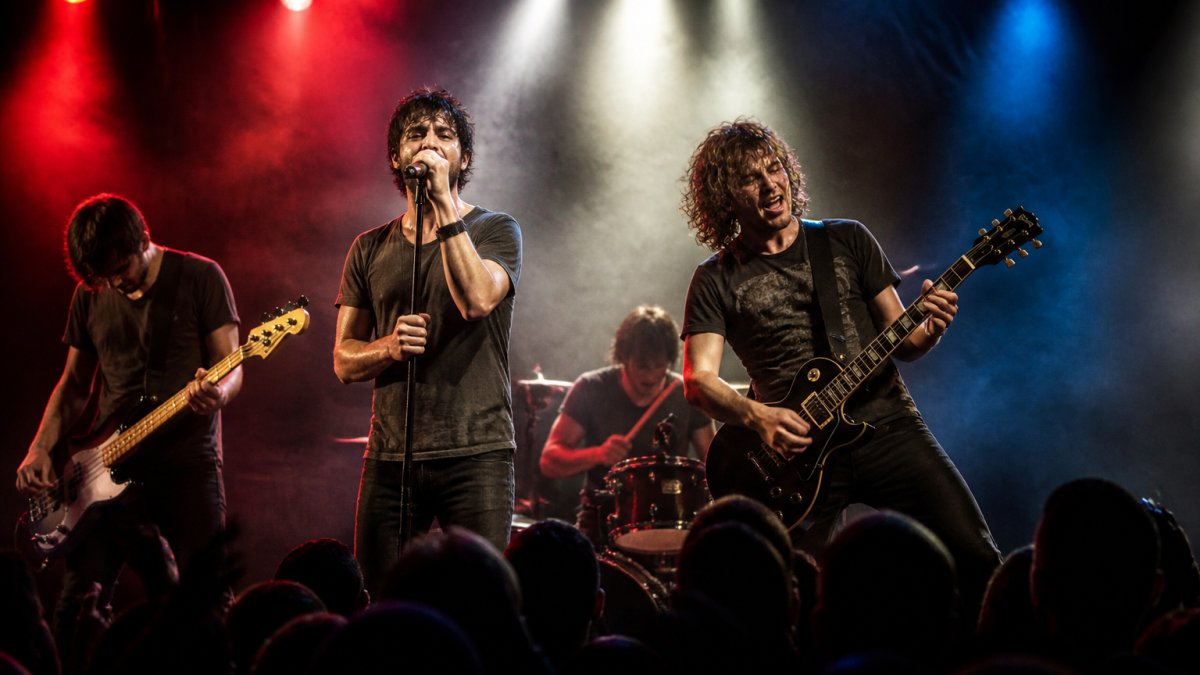
Smartphone photos can document a rehearsal. They struggle in a dark club with moving lights, where phone cameras produce grain, blown highlights, and blur.
There is also a consistency problem. Phone shots from five different people look like five different bands. A single photographer's set looks like one brand. That matters when a label or editor is comparing you against ten other acts in the same inbox.
Band Photography for Press Kits: Getting Media Attention
Publications judge your press kit in seconds, and weak images end the conversation before an editor reads your bio. A press kit needs at least three usable photos: a wide live shot, a clean group portrait, and one performance image with strong atmosphere.
Editors need files they can actually run. That means high resolution, correct colour, and clear credit information attached to every image.
What Publications Look for in Band Photos
Editors want images that tell a story without a caption. A photo of four people standing against a brick wall says less than a shot of the drummer mid-fill under a single spotlight.
Beyond composition, editors screen for three practical things:
- Usable resolution and colour. Images that are heavily filtered, oversaturated, or saved for Instagram at 1080 pixels will be rejected for print.
- Clean credit and licensing. The photographer's name, the band name, and any usage restrictions should travel with the file.
- A consistent look across the set. Three images from three different shoots in three different colour grades make a band look disorganised, even if each photo is good on its own.
Associated Press style guidance on photo credits is a useful reference point for how publications expect credit lines to be formatted. Getting that detail right signals you are easy to work with, which quietly influences whether an editor runs your photo again next month.
The Press-Kit Shot List Editors Actually Use
A press kit is not a gallery. It is a working toolkit, and the most useful kits cover five specific frames:
- Wide live shot, the full band on stage, crowd visible, usable as a horizontal banner.
- Tight live shot, one or two members, strong expression, usable as a vertical feature image.
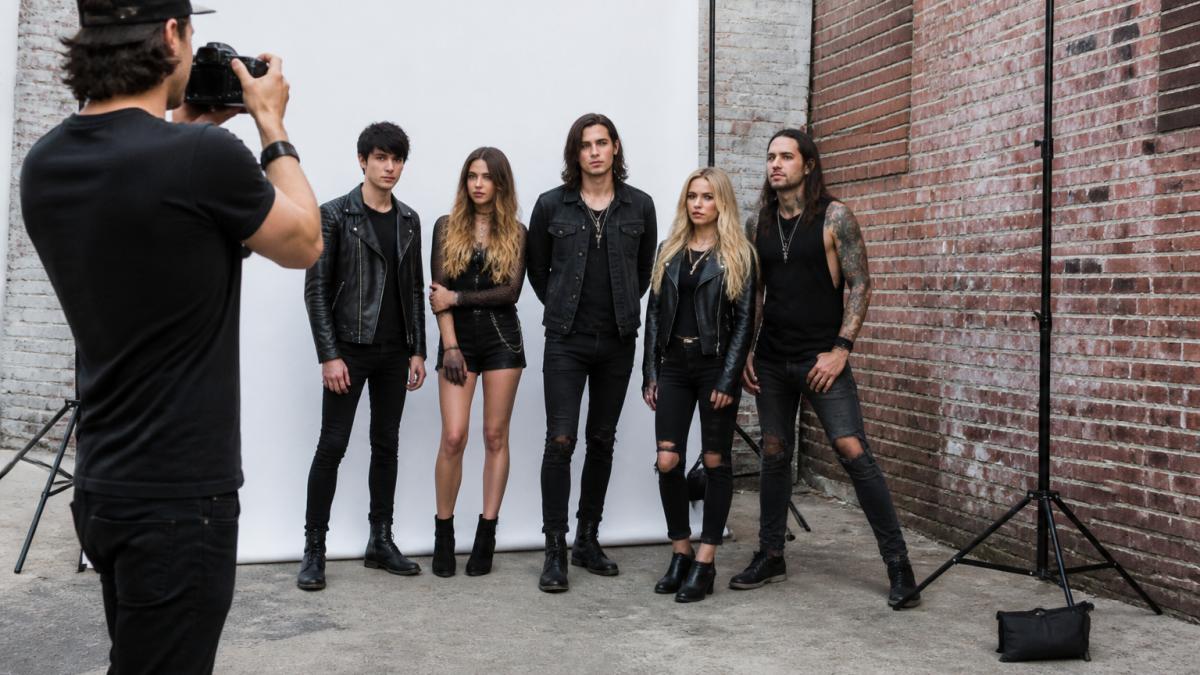
- Clean group portrait, neutral background, all members visible, no instruments blocking faces.
- Individual member portraits, one per person, shot in the same light and location for consistency.
- Atmospheric or behind-the-scenes frame, rehearsal, backstage, or load-in, used for feature intros and social posts.
Bands that commission a single shoot covering all five frames walk away with a press kit that can serve a debut single, a festival announcement, and a label pitch without needing another session. That is the practical benefit of planning press images as a set rather than collecting whatever happens to exist.
Professional Band Portraits for Social Media That Stop the Scroll
Social platforms compress and crop images aggressively, so a portrait built for a poster often falls apart in a feed. Professional band portraits for social media are shot with the final placement in mind: strong central subjects, clean backgrounds, and enough contrast to survive a small screen.
Consistency across platforms builds recognition. The same colour grade, the same general mood, and the same visual identity across your profile, website, and streaming pages make a band look established rather than improvised.
- Profile and cover images shot for square and wide crops
- A set of individual artist portraits for member announcements
- Live frames for tour posts and story content
Band Photoshoot Ideas: From Concept to Final Shot
The strongest band photoshoot ideas come from the music itself, not from a list of poses. Start with one question: what does this record feel like?
From there, build a small concept with three parts: a location, a light plan, and a wardrobe direction. A loading dock at dusk, a rehearsal room with practical lamps, or a stage before doors open all give you real texture.
How to Prepare for a Band Photoshoot: A Step-by-Step Guide
Knowing how to prepare for a band photoshoot separates a smooth session from a rushed one. Most of the work happens before anyone picks up an instrument.
- Agree the purpose. Decide whether the shoot serves a press kit, a single release, or social content, and prioritise accordingly.
- Share references. Send three to five images you like and explain what you like about each one.
- Lock the logistics. Confirm the venue, load-in time, and whether you can use the stage lighting.
- Plan the shot list. Sequence live shots, group portraits, and individual frames so no one waits around.
- Bring spares. Extra strings, a change of shirt, and a tuned instrument prevent avoidable delays.
- Assign a contact. One person coordinates with the photographer so instructions do not get lost between five people.
What to Wear and Bring to Your Session
Solid colours and simple textures photograph better than busy patterns, which shimmer under stage lighting. Avoid large logos unless they are part of your branding. Bring a second outfit if the shoot covers both live and portrait setups.
Pack the practical items too: water, a towel, gaffer tape, and a copy of your set list if the photographer is shooting a performance. Small comforts keep energy up through a long session.
Pricing, Deliverables, and Return on Investment
Most band photography articles avoid this topic entirely, which is why so many bands end up guessing. The honest answer is that pricing depends on scope, dates, and delivery, so ask for a written quote rather than inferring anything from a website. What matters more than the headline figure is what you receive: how many edited images, at what resolution, with what usage rights, and on what timeline.
How to Read a Photography Quote
A useful quote separates four things:
- Coverage. How many hours, how many setups, and whether travel or a second shooter is included.
- Deliverables. The number of edited images, the resolution, and whether unedited files are available.
- Usage and licensing. Where and for how long you can use the images, social, press, print, merchandise, advertising, and paid media are usually treated differently.
A quote that only states a number and a date is incomplete. Ask the photographer to spell out each of the four items in writing before you commit, and keep that document. It becomes the reference point if a label or publisher wants to reuse an image years later.
Deliverables: What a Strong Band Shoot Should Include
| Deliverable | What It Covers | Where It Gets Used |
|---|---|---|
| Live performance set | Stage shots from a real show | Press kit, social, tour promo |
| Group portraits | Posed band images | Website, streaming profiles, posters |
| Individual portraits | One frame per member | Member announcements, interviews |
| Behind-the-scenes | Candid rehearsal and backstage | Stories, blog posts, fan content |
| Press-ready exports | Full-resolution, unwatermarked files | Publications, features, label pitches |
| Social crops | Square, vertical, and wide versions | Instagram, TikTok, YouTube thumbnails |
| Usage and licensing | Terms for print, digital, and merch | Publications, ads, merchandise |
Not every shoot needs every row, but a band commissioning images for a release cycle should expect most of them. If a quote omits social crops or press-ready exports, ask whether they can be added, those are the files that get used most often.
Measuring Return on Investment
The return on a band photo shoot is not measured in a single post. It is measured in how many places one set of images can work. A strong shoot typically feeds:
- Booking enquiries. Promoters and venue bookers often check a band's Instagram and website before replying to an email. Consistent, professional images shorten that decision.
- Press and playlist consideration. Blog editors, playlist curators, and label scouts all skim visuals first. A press-ready folder makes it easy for them to say yes.
- Merchandise and poster design. High-resolution images can be cropped, treated, and reused across shirts, prints, and tour posters without falling apart.
Questions to Ask Before You Book
A short list of questions separates a smooth collaboration from a stressful one:
- How many edited images are included, and at what resolution?
- Are press-ready and social-crop versions included, or are they extra?
- What usage rights come with the images, and for how long?
- Is credit required, and how should it be formatted?
- What happens if the shoot is rescheduled or a member cannot attend?
- Can the photographer work with the venue's lighting, or do they bring their own?
Bands that ask these questions before booking tend to get more usable images, fewer surprises, and a set they can reuse across every channel for a year or more. That is the real return: one session, planned properly, working everywhere your music appears.
Conclusion: Building Your Visual Legacy
Every band eventually needs images that outlast a single release cycle. The acts that plan for that early build a library they can draw on for years, instead of scrambling for a usable photo the week a magazine asks.
James DeSalvo Photography works with musicians, band managers, promotional agencies, and labels on music industry photography, including live performance coverage, artist portraits, and guidance for new and established performers on venues to play.
Frequently Asked Questions
Why do bands need professional photos?
Professional band photography gives you images that look intentional and polished, which matters when promoters, labels, and press are deciding whether to work with you. Unlike smartphone snapshots, professional photos handle stage lighting and low-light venues correctly. They also create a consistent visual identity across your website, social media, and press kit, making your band easier to recognize and remember.
How can professional band photography help a band's brand?
Your photos are often the first thing a potential fan or industry contact sees. Professional band photography establishes a visual identity that matches your sound and message. When every image, from artist portraits to live shots, shares the same mood and quality, it builds brand consistency. This makes your band look established and trustworthy, which helps with everything from booking shows to getting press coverage.
What should a band use its professional photos for?
Use professional band photos across your band website, social media profiles, and press kit. Submit them to music publications and blogs for features. They are essential for promotional images on posters and flyers for upcoming shows. You can also use them for album artwork, streaming platform profiles, and EPKs sent to promoters and labels. Having a versatile portfolio of images ready makes every promotional task easier.
How often should a band update its photos?
Update your band photos whenever your lineup changes, your sound evolves significantly, or your visual style no longer represents you. A good rule is to refresh your main promotional images every one to two years. If you are releasing a new album or preparing for a major tour, a new set of professional band portraits is worth the investment. Consistent updates keep your public image current and engaging.
The hard part is not finding a camera. It is finding someone who understands how a band actually works, from load-in to encore. James DeSalvo Photography shoots musicians and bands, supports managers and labels with promotional imagery, and helps new acts build a visual identity that grows with them. Get started with James DeSalvo Photography and turn one session into a year of usable images.