 How-to
How to Hire a Conference Photographer: A 2026 Guide
Table of Contents
- Start With Your Event Goals and Image Use
- What to Look For in a Conference Photographer
- Questions to Ask an Event Photographer Before You Book
- Build Your Event Photography Brief Template
- Create a Conference Photography Shot List
- How to Prepare Staff for Event Photos
- Contract, Image Rights, and Delivery Terms
- Conclusion
- Frequently Asked Questions
Start With Your Event Goals and Image Use
Before you contact a conference photographer, decide what the images are for, that shapes coverage hours, shot list, editing style, and licensing.
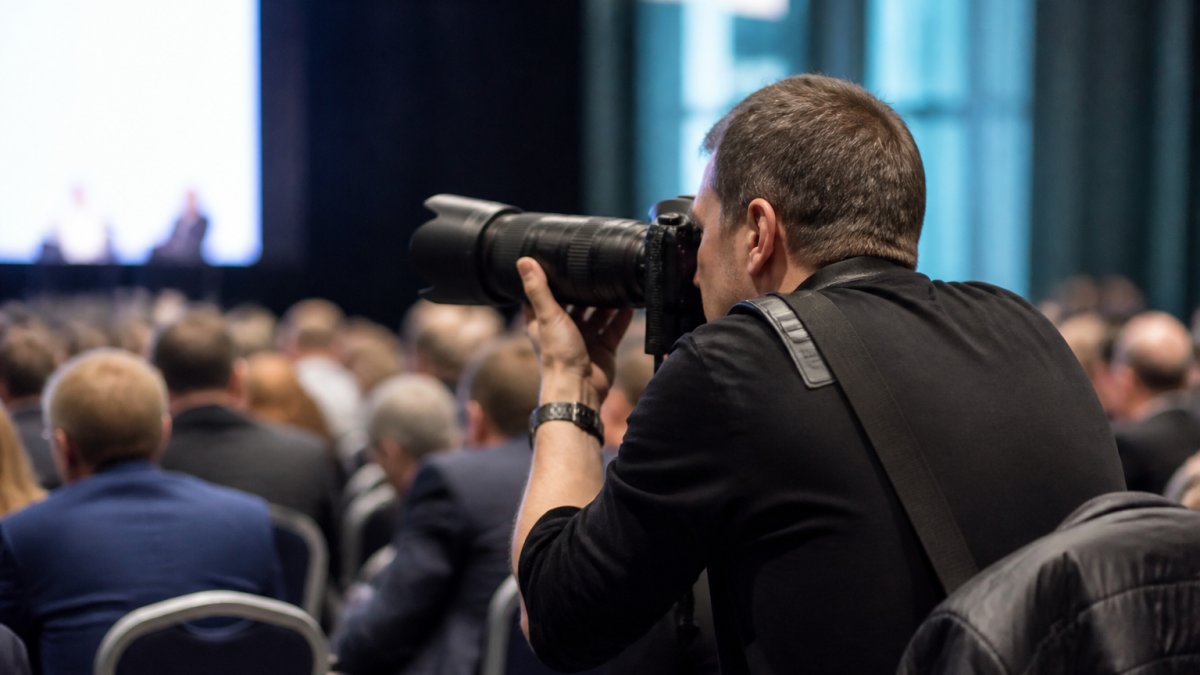
A conference photographer documents a live event, from keynote moments to candid networking, and delivers edited images for marketing, press, and internal use. Website headers need clean wide shots, social needs energy and faces, sponsors want logos visible, and press needs speaker portraits fast.
List your intended uses first:
- Website and landing pages
- Social media during and after the event
- Sponsor and partner recaps
What to Look For in a Conference Photographer
Look for three things: a portfolio that matches your event's tone, real conference experience, and a workflow that fits your timeline.
Portfolio and Style Fit
A photography portfolio tells you more than any sales call. Review full event galleries, not just the ten best frames on a homepage.
Check for:
- Candid photography that captures real reactions
- Clean posed portraits and group photos
- Consistent lighting across a full gallery
Ask for a complete gallery from one event, a full set shows whether quality holds up across a long day.
Corporate and Conference Experience
Corporate event photography is its own discipline. A wedding photographer may have great technique but no feel for a keynote or sponsor wall.
Ask about:
- Multi-track events with breakout sessions
- Executive and VIP handling
- Large venue logistics
Experience with corporate experience means understanding run of show pressure: when to move, when to stay out of sight, and how to work a room without interrupting it.
Questions to Ask an Event Photographer Before You Book
Ask about backup equipment, turnaround time, image rights, and coverage limits before you sign anything. The answers separate a professional from a hobbyist.
Here are the questions to ask an event photographer that matter most:
- Do you carry backup cameras, lenses, and memory cards?
- What is your standard turnaround time, and can you deliver a same-day social set?
- Who owns the images, and what usage rights do we get?
- Have you shot at this venue, and how do you handle its lighting conditions?
- What is your hourly rate, minimum booking, and overtime policy?
- Can you share a full gallery from a similar conference?
- What is your contingency plan if you get sick or a shoot runs long?
Write the answers down. Vague responses on rights or delivery are a warning sign.
Build Your Event Photography Brief Template
An event photography brief template is a one-page document telling the photographer what the event is, who matters, and what the images must capture. Send it before the pre-event briefing call.
Fill in this template:
- Event name and date:
- Venue and address:
- Event schedule and run of show: attach the full agenda
A tight brief saves hours on site: if a shot was listed, it gets shot.
Venue, Schedule, and Lighting Details
Venue information and lighting conditions deserve their own line items. Conference halls mix harsh stage lights, dim ballrooms, and bright lobbies in a single day.
Note:
- Rooms with low light or mixed color temperature
- Stage lighting and projection screens
- Windows that blow out backgrounds
Share the event schedule and any run of show changes, if a session moves rooms last minute, the photographer needs to know.
Create a Conference Photography Shot List
A conference photography shot list is the written inventory of must-have shots, grouped by moment and location. Build it with your marketing team, and solve the coverage problem first: which rooms, which moments, and how many photographers it takes.
Start with a coverage plan by event size and format
Photographer count depends on parallel sessions, venue size, and whether the event is hybrid:
- Single-track, single-room event: one photographer is usually sufficient, provided they have a second camera body and can move between stage, audience, and networking areas.
- Multi-track with parallel sessions: one photographer cannot be in two rooms at once. Either book additional photographers for the breakout blocks, or accept that some sessions will go uncovered and rank them in advance.
- Large venues with distant rooms: travel time between halls eats coverage. A second photographer assigned to a wing or floor often produces more usable frames than a single photographer sprinting between rooms.
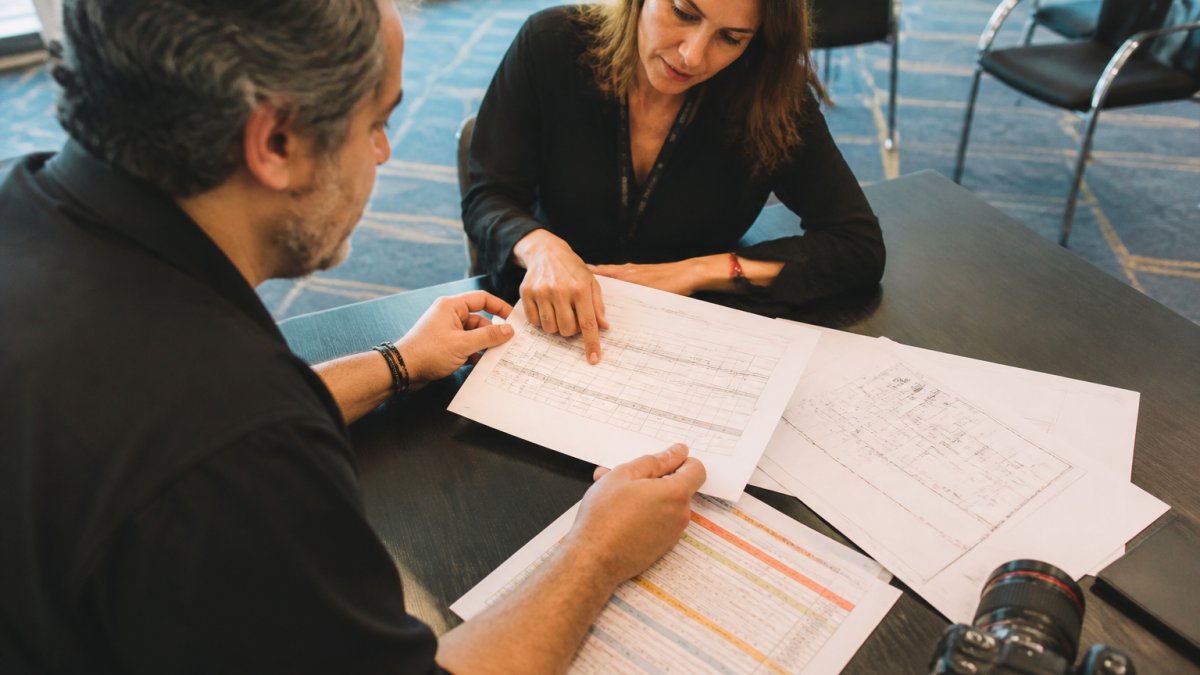
Write the coverage plan as a grid: time block, room, priority level, and assigned photographer. That grid is the real shot list.
Hybrid and livestream coordination
Hybrid events add a production layer. Ask the AV lead three questions: where livestream cameras are positioned, whether flash is permitted in the session room, and whether the photographer can move during a live broadcast. A common pattern restricts movement and flash during livestreamed keynotes and schedules room changes during breaks. Confirm whether remote speakers get their own portraits or appear only in wide shots.
Build the shot list by moment and location
Start with these must-have shots, then adapt to your coverage grid:
- Registration and arrival energy
- Keynote speaker on stage, wide and tight
- Audience reactions during sessions
Mark each shot essential or nice-to-have. A list of 40 essentials is really a list of 12. Rank them so the photographer knows what to protect when time runs short, and so the coverage grid shows which essentials are at risk in parallel-session blocks.
Brief for accessibility and inclusive representation
A shot list is also a representation decision. Brief the photographer to capture accessible spaces (ramps, seating, captioning screens, sign-language interpreters), varied speakers, and attendees of different ages and abilities, without making anyone a prop. Add these as named line items so they are protected like any other essential shot.
How to Prepare Staff for Event Photos
Brief your staff and speakers before the event, not on the day. A short pre-event briefing on photo expectations prevents most awkward moments and missed shots.
Here is how to prepare staff for event photos:
- Share the shot list and schedule with speakers and executives
- Confirm portrait times and locations in advance
- Explain that candids will be taken and where images will appear
Accessibility and inclusive representation belong in this briefing too. Tell the photographer to capture attendees with disabilities, diverse speakers, and all age groups without making anyone a prop. Good brand imagery reflects the whole room.
Contract, Image Rights, and Delivery Terms
Get image rights, licensing, and delivery deadlines in writing. Handshake agreements on usage turn good shoots into legal headaches, and unlike a wedding or portrait session, you are licensing images reused by marketing, sponsors, press, and legal teams, often for years.
The deliverables clause: edited, not raw
Define the deliverable as a curated, edited gallery, not a raw dump. A full conference day produces thousands of frames, and unedited files mean your team must cull them while the photographer's color and crop decisions are bypassed. Specify:
- Edited image count: a target range per coverage hour, plus a guaranteed minimum for the full event
- File formats: high-resolution JPEGs for print and press, web-optimized versions for social, and whether RAW files are included (usually not)
- Resolution and color profile: confirm sRGB for web delivery and a print-ready profile if you plan signage or programs
Image licensing: scope, term, and exclusivity
Image licensing is the clause most organizers skim and the one that causes the most friction later. Read it as four questions:
- Scope of use, web, social, print, paid ads, email, internal reports, and sponsor sharing. A license that covers "marketing" may not cover paid media; name each channel.
- Term, perpetual or time-limited. Perpetual is common for event work, but confirm it in writing.
- Exclusivity, can the photographer license the same images to sponsors, venues, or media independently? If sponsor reuse matters to you, say so up front.
- Photographer's portfolio rights, most photographers expect to show the work publicly. Agree on embargoes for sensitive content (unreleased products, closed-door sessions, executive announcements) and on whether your brand must be credited.
A common pattern grants your organization broad internal and marketing use while the photographer retains portfolio rights, with a written embargo list for anything sensitive, in the contract, not an email.
Privacy, consent, and sensitive content
Conference floors are full of people who did not sign up to be in a marketing campaign. Build consent into the contract and brief:
- Attendee consent: check your registration terms, many conferences include a photography clause, and post signage at entrances and in session rooms
- Release forms: for posed portraits, executive headshots, and any image used in paid advertising, get a signed release
- Restricted areas: name rooms or sessions where photography is banned (closed-door strategy sessions, HR or legal breakouts, certain sponsor demos)
A reusable contract and deliverables checklist
Run this list before you sign:
- Coverage hours, overtime rate, and minimum booking period
- Number of photographers and any second-shooter or assistant fees
- Edited image count (minimum) and delivery deadline (date and time)
Turnaround and delivery format
Turnaround is where conference timelines bite. A same-day social set, a handful of edited frames pushed during the event, is a separate deliverable from the full gallery and should be priced and scheduled separately. Ask for a written delivery calendar: same-day social selects, a next-day press set if media is on site, and the full edited gallery within an agreed window.
Measurable outcomes and post-event image use
Connect deliverables to what happens after the event. Before you sign, map each deliverable to a use: sponsor recap decks, next-year promotion, social campaigns, press outreach, and internal reporting. Ask the photographer to tag images by sponsor, session, and speaker so your team can pull frames quickly, a searchable gallery beats a larger pile of untagged images and turns photography into a measurable marketing asset.
Conclusion
Hiring well comes down to preparation: clear goals, a written brief, a ranked shot list, and a contract that names every deliverable. Do that work, and the event coverage takes care of itself.
At James DeSalvo Photography, we bring music industry and live event experience to every shoot, from candid coverage to executive portraits. Get in touch to discuss your specific photography needs.
Frequently Asked Questions
What should I look for in a conference photographer?
Look for a portfolio that shows real conference work, not just weddings or portraits. Check for clean candids of speakers, panel shots, sponsor signage, and attendee networking. Ask about corporate experience, backup equipment, and how they handle low-light ballrooms. A conference photographer should also understand run of show timing and be comfortable working around AV crews and stage lighting without disrupting sessions.
How far in advance should I book a conference photographer?
Book as early as your venue and date are confirmed, ideally several months ahead for larger multi-day conferences. Popular photographers fill their calendars quickly, especially in peak season. Early booking gives you time to share your event photography brief template, agree on a conference photography shot list, and walk through venue logistics. Last-minute bookings limit choice and often mean less preparation before the event.
What should I clarify about image delivery and usage rights?
Confirm turnaround time, file formats, gallery access, and how many edited images you receive. Ask who owns the copyright and what license you get for marketing, social media, and sponsor use. Clarify whether speakers or attendees can request image removal, and whether the photographer can use the images in their own portfolio. Put all of this in the contract so there are no surprises after the event.
How can I prepare speakers and staff for conference photos?
Send a short note before the event explaining where photos will be taken and how to prepare staff for event photos. Share the shot list with speakers so they know when to expect candid and posed portraits. Brief staff on name badges, sponsor logos, and staying reachable during networking breaks. A five-minute pre-event briefing on lighting and positioning saves reshoots and keeps the gallery consistent.